My research is on information access — how to represent text and structured data
so machines can retrieve, reason over, and generate it — at the interface of
information retrieval and computational linguistics.
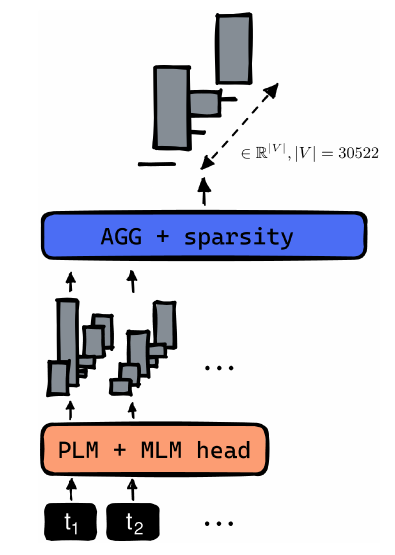
Efficient and effective neural retrieval. Much of my recent work develops
learned sparse retrieval, where queries and documents are represented in the
vocabulary space: this keeps the interpretability and inverted-index efficiency of
bag-of-words models while reaching the effectiveness of dense ones
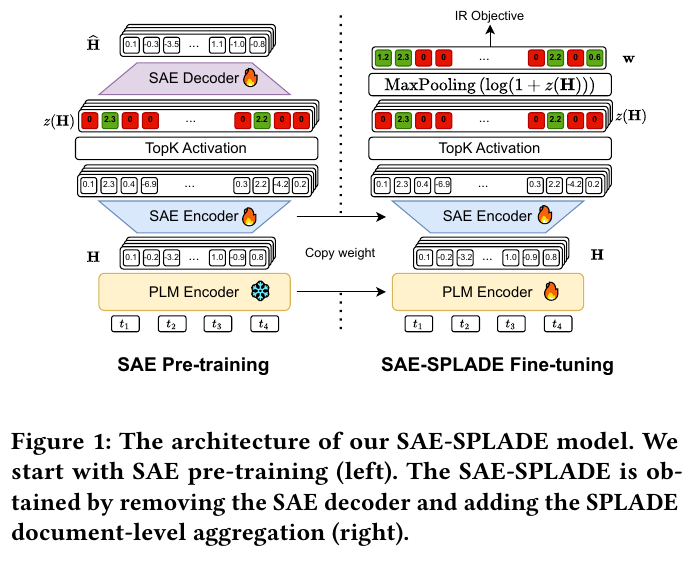
(SPLADE,
SAE-SPLADE). A companion line
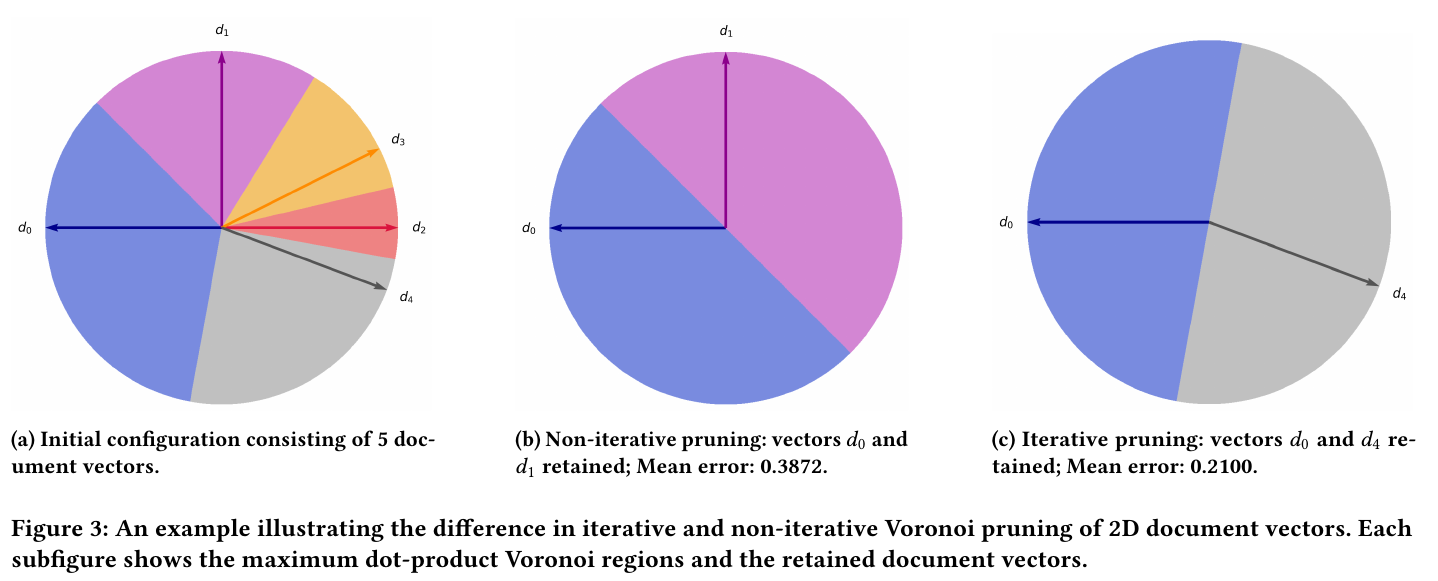
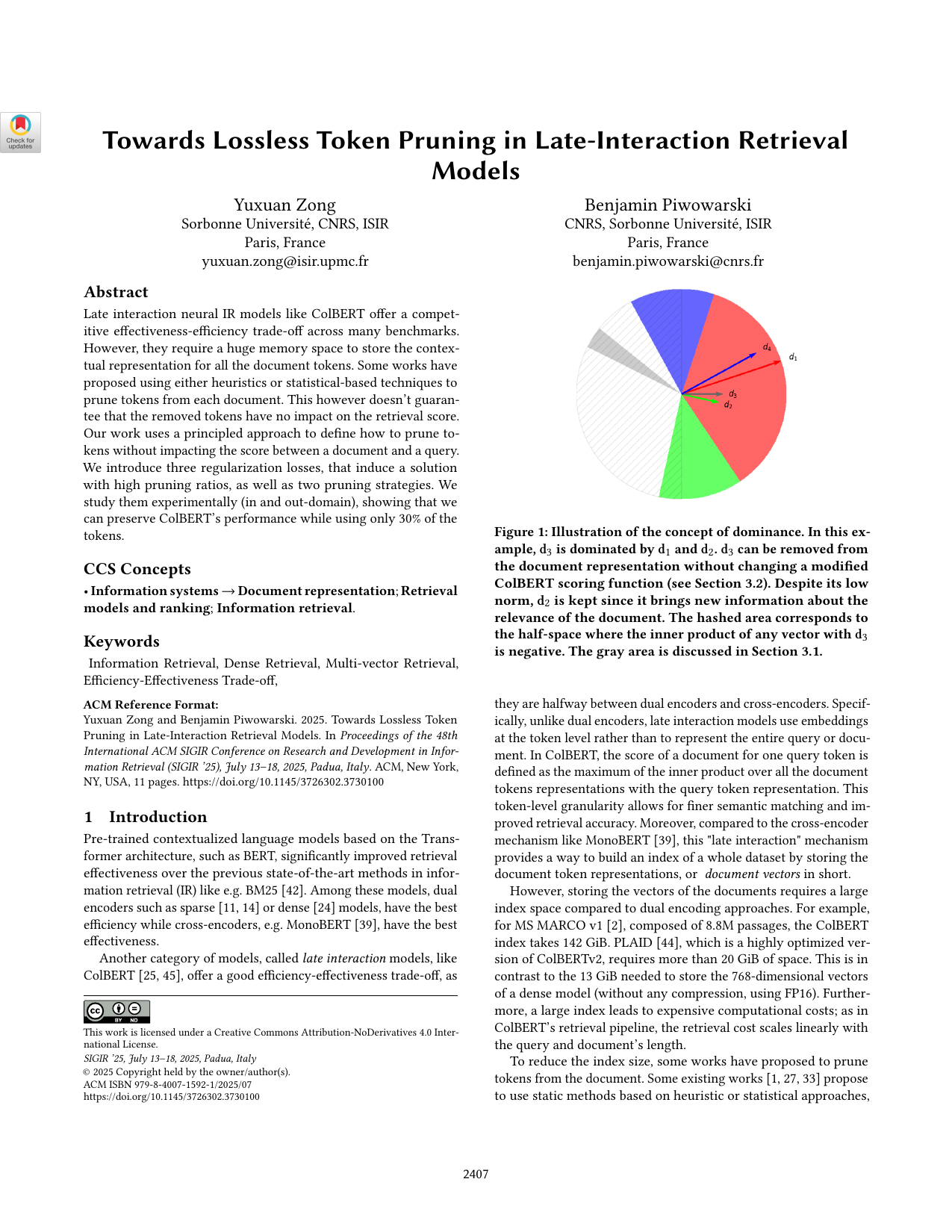
makes strong rankers cheap enough to deploy, through principled token pruning of
late-interaction models (lossless pruning,
a Voronoi-cell view) and
minimal-interaction cross-encoders (MICE).
Understanding what neural models actually do. I increasingly work on opening
Neural models up — how cross-encoders or late interaction models match terms
(white-box ColBERT,
matching mechanisms,
which neurons matter,
IR Lens) — and how large language models store
and arbitrate knowledge
(parametric vs. contextual,
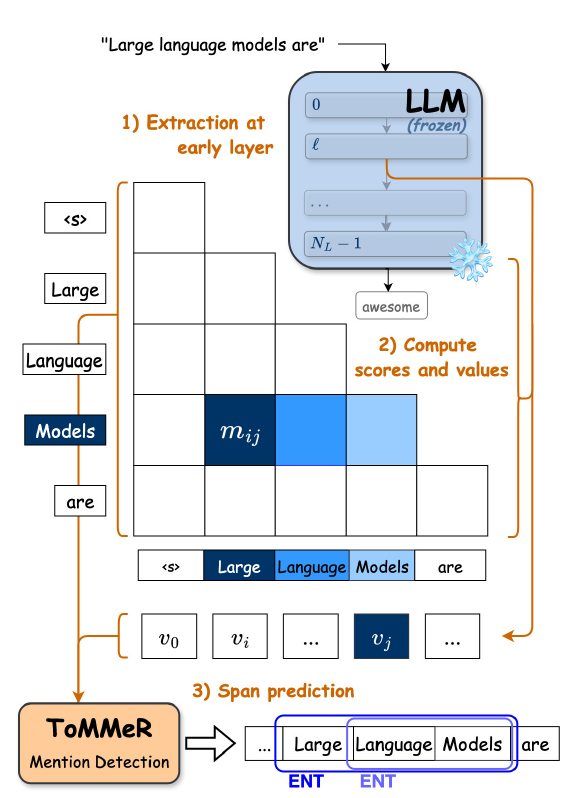
entropy neurons), represent entities
(entity representations,
ToMMeR) and positions
(Give it Space!).
Generative access and structured reasoning. I study conversational and generative
retrieval — contextualizing sparse models for dialogue
(CoSPLADE) and generating keyword
queries with reinforcement learning
(QueStER,
STORM) — and reasoning over tables
(relational decomposition,
structural encoding).
Representations across languages and modalities — and how to evaluate them. Other
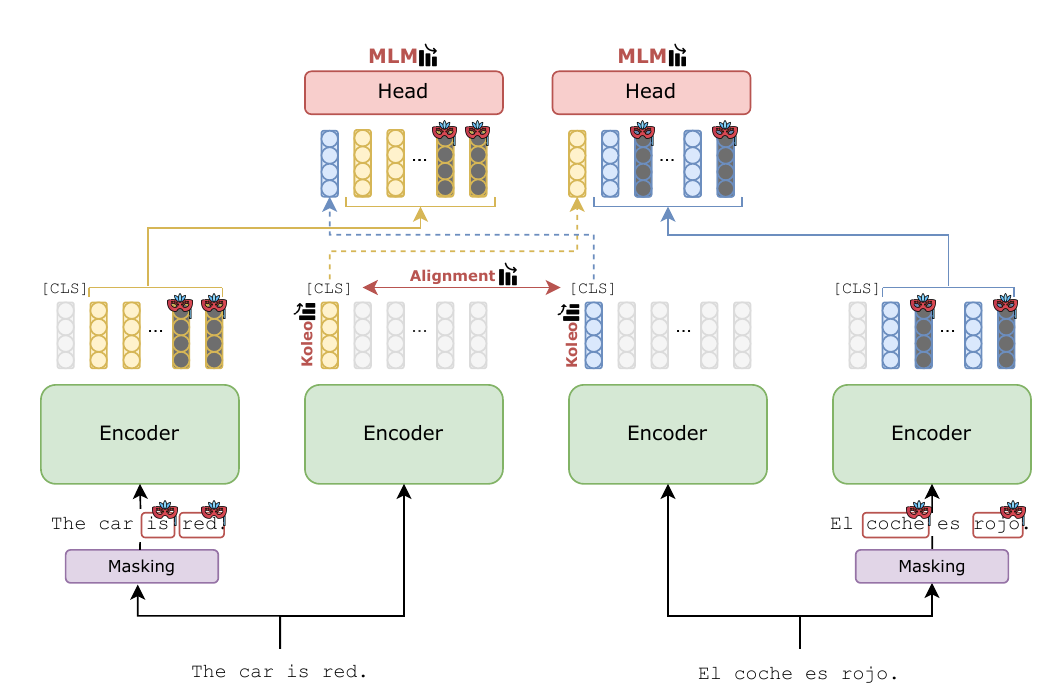
threads learn multilingual and multimodal representations
(MEXMA,
Mixture of Languages) and understand
visually-rich documents (LoRaLay,
Skim-Attention), alongside
reference-less evaluation of generation
(Data-QuestEval) and
performance prediction for neural retrieval
(are we there yet?).